
RESTORATION & REPAIRS · NEW HAMPSHIRE & FLORIDA
Hardscape Restoration and Repairs — Fix It Properly, Once
Most tired hardscapes don't need to be torn out. They need the base fixed, the joints rebuilt, and someone honest telling them which is which.
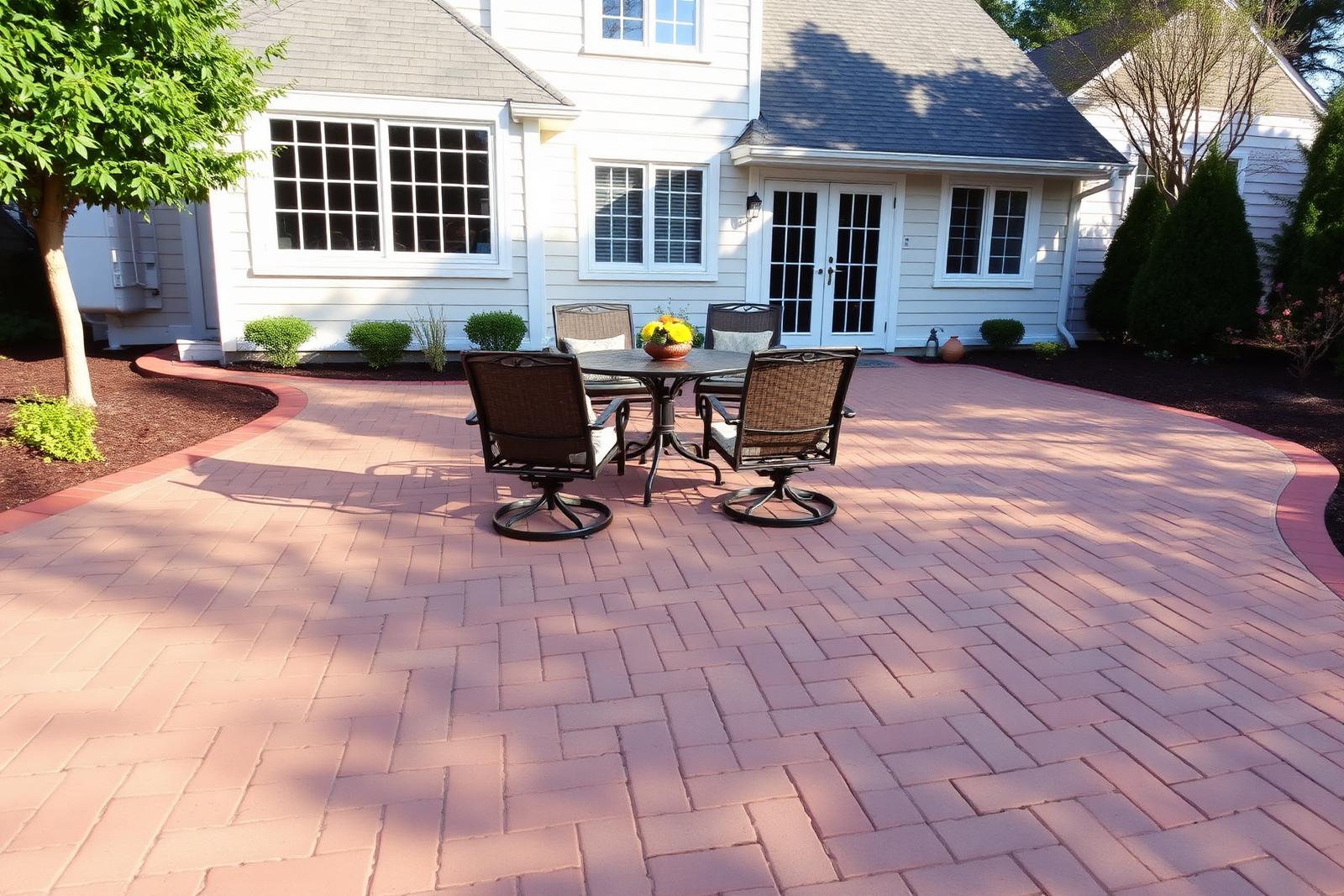
HARDSCAPE RESTORATION & REPAIRS
Sunken pavers, weeds coming through the joints, a wall that's started to lean, a walkway that's gone wavy, color that's faded to gray — these are the calls we get most in spring. Some of them are cosmetic and fixable in a day. Some are structural failures that need a proper rebuild. Telling those apart honestly is most of the value we bring to a restoration project.
We restore and repair hardscapes we didn't build, including work from contractors who are no longer around. We'll dig an inspection point, show you what's actually happening under the surface, and give you a straight answer — including when the answer is that a repair would be throwing money at a problem that's going to come back.
What we can fix, and what needs rebuilding
Cosmetic and localized problems are genuinely repairable. Joint sand that's washed out, weeds and moss in the joints, efflorescence haze, faded color, a section that's settled over a utility trench, displaced edge pavers, loose or shifted wall caps, a couple of blocks knocked out at a wall end — all of these are fixable without touching the rest of the installation.
Systemic problems mean the base or the drainage failed, and no amount of surface work fixes that. Widespread settlement across a whole field, a patio pitching back toward the house, a wall that's bulging or leaning, ongoing frost heave in the same spot every spring — those are structural, and re-sanding the joints on top of them is money you'll spend again in eighteen months.
The honest test is whether the problem is above the bedding or below it. We find out by opening an inspection point rather than guessing from the surface, and we'll show you what's in the hole.
- Repairable: joint sand loss, weeds, staining, faded color, local settlement
- Repairable: displaced pavers, loose caps, damaged edge restraint, small wall sections
- Rebuild: widespread settlement, wrong pitch, wall lean or bulge, recurring heave
- Always: an inspection point before we quote, so the diagnosis is based on evidence
Paver re-leveling and lift-and-relay
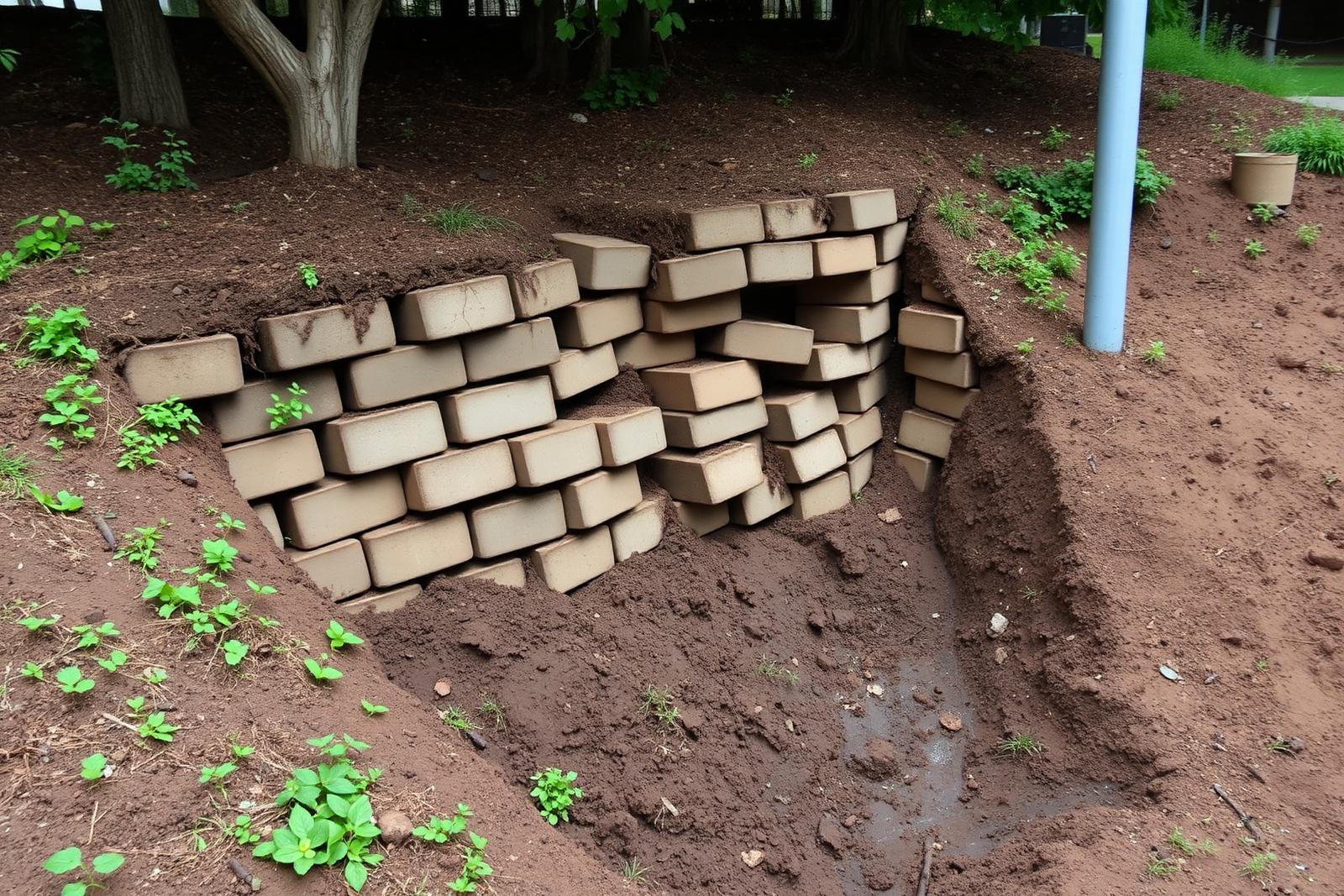
Paver re-leveling and lift-and-relay
Localized settlement is the most common repair we do. A section over a backfilled trench, a low spot at a downspout, an area where a tree root pushed through. The fix is to carefully lift the affected pavers, keeping them in order, correct the base and bedding underneath — usually adding and compacting material, sometimes addressing the drainage cause — and relay the same pavers back into the same pattern.
Done well, a lift-and-relay is invisible. The pavers are original so the color matches perfectly, and the joints get re-sanded across the seam so there's no line where the repair stops. The variable is whether the settlement cause has been dealt with; if water is still concentrating in that spot, it'll come back.
A full lift-and-relay of an entire patio is also an option when the pavers are in good condition but the base was never built properly. It costs meaningfully less than new material and gets you a correctly built patio using stone you already own.
Thinking about hardscape restoration & repairs?
We'll walk your property, talk through options, and give you an itemized written price. No cost, no pressure.
Cleaning, re-sanding, and sealing
Cleaning, re-sanding, and sealing
The single best-value restoration service we offer is a deep clean, re-sand, and seal. Years of organic buildup, joint sand loss, and UV exposure make good pavers look dead. Cleaning them properly, replacing the joint sand with modern polymeric sand, and sealing brings back color most homeowners didn't know was still there.
The process matters. Pressure washing at too high a pressure or too tight a fan blasts out joint sand and etches the paver face — we clean at controlled pressure with the right detergents for the specific staining. Polymeric sand goes in dry, gets swept and vibrated fully into the joints, and is activated with a careful water application; rushing that step is why so many DIY polymeric jobs end up with hazy residue on the surface.
Sealing is optional and we're honest about it. It deepens color, makes spills easier to clean, and helps lock joint sand. It also needs redoing every three to five years and, applied to a damp or dirty surface, can trap moisture and turn cloudy. If your pavers don't need it, we'll say so.
- Controlled-pressure cleaning with the right detergent for the stain type
- Efflorescence, rust, oil, and organic stain treatment
- Full joint replaceme
Retaining wall repair and rebuild
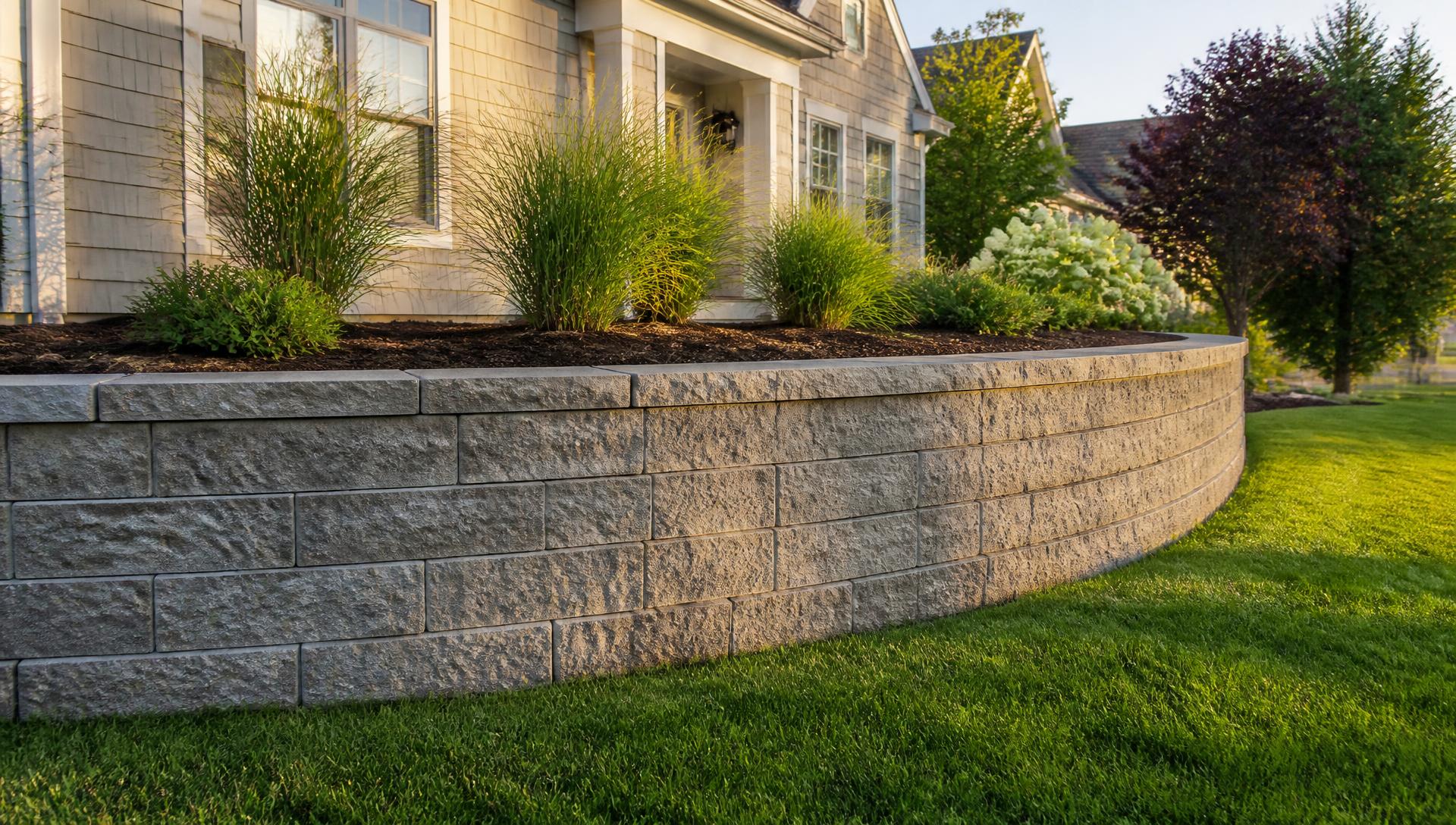
Retaining wall repair and rebuild
Wall repairs split cleanly into two categories. Cosmetic damage — displaced caps, a few blocks pushed out at an end, erosion around the wall terminus, a course that's shifted from vehicle impact — is a straightforward repair.
Movement is not. A wall that's leaning, bulging, or that has separated at a corner is telling you the drainage or reinforcement behind it failed. That's not visible from the front and it can't be fixed from the front. The rebuild involves taking the wall down, excavating the retained soil, installing the drainage stone, pipe, and geogrid that should have been there, and rebuilding the face — often reusing the original block if it's in good shape.
We know that's not the answer anyone wants. But repointing the face of a moving wall buys a season, and then you pay for the rebuild anyway on top of what you spent on the repair.
Storm, root, and vehicle damage
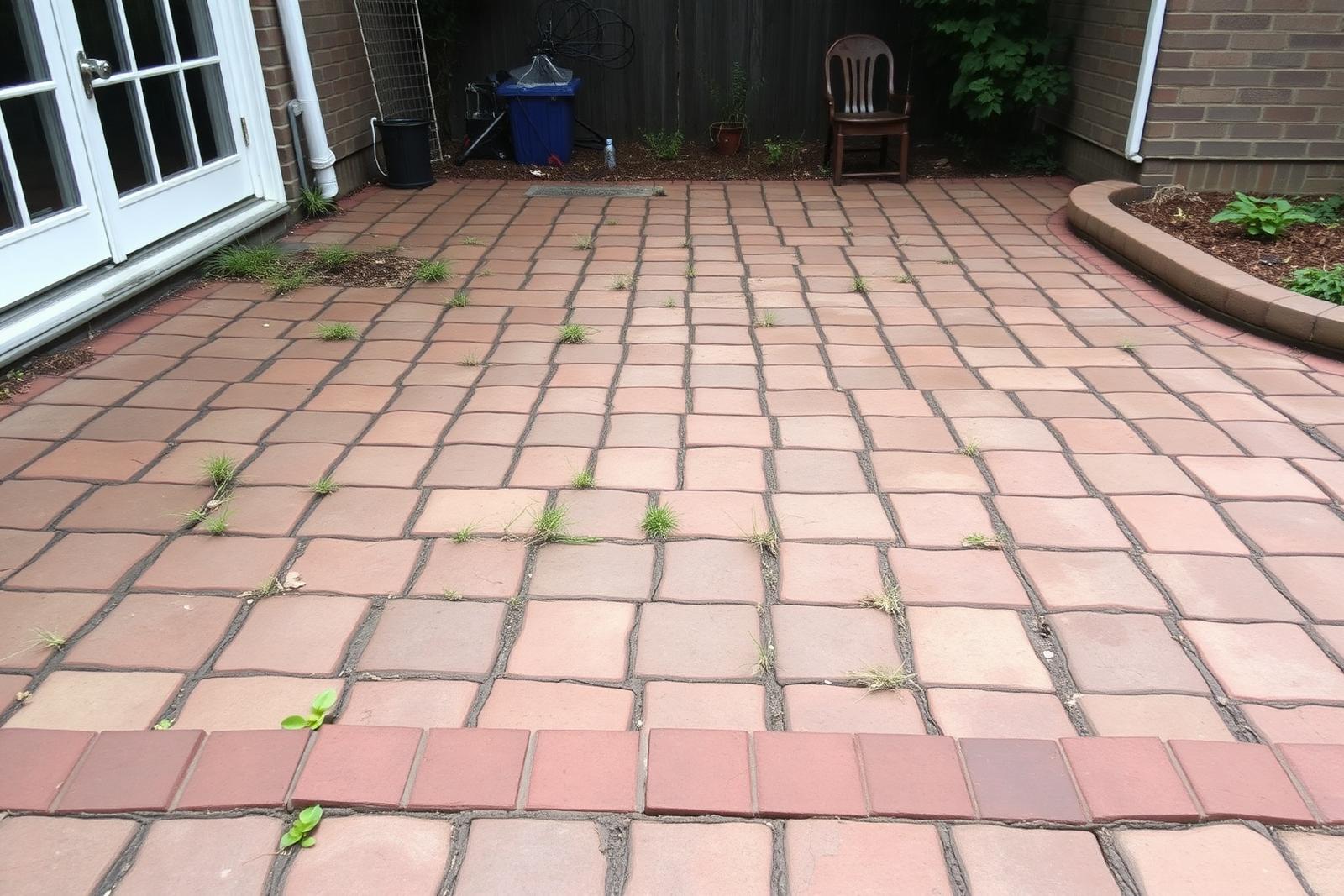
Storm, root, and vehicle damage
Tree roots lifting a walkway, a section of patio cracked by a vehicle, wall damage from a fallen limb, erosion from a failed downspout or a storm event — we handle all of it, including working with insurance documentation when a claim is involved.
Root damage in particular deserves a real plan rather than a patch. Cutting the root and relaying the pavers works only if the tree can spare the root; otherwise we look at rerouting the walk, using a flexible detail over the root zone, or root barriers. We'd rather solve it once.
Hardscape Restoration & Repairs we've built
OUR WORK
What we build with
MATERIALS
Polymeric joint sand
Modern polymer-modified jointing sand that locks the field together, resists washout, and dramatically reduces weed growth.
Paver sealers
Natural-look, matte, and wet-look sealers, including UV-stable formulations for Florida sun exposure.
Replacement pavers
Sourcing discontinued and hard-to-match units, including blending replacements so a repair doesn't read as a patch.
Base repair aggregate
Processed gravel and open-graded stone for rebuilding failed base sections, compacted in lifts like new work.
Drainage retrofit
Adding the channel drains, catch basins, French drains, and wall drainage the original installation skipped.
Edge restraint
Replacing failed or missing edge restraint — the fix for walkways and patio edges that have spread and gone wavy.
Built for where it's going
TWO VERY DIFFERENT CLIMATES
New Hampshire: spring is inspection season
New Hampshire: spring is inspection season
Frost does its damage over the winter and shows it in April. Every spring we walk properties with homeowners who noticed something moved. The pattern is consistent: water that couldn't drain froze, expanded, and lifted something.
That's also why spring is the right time to assess. Catching a wall in its first year of movement is a very different conversation than catching it in its fourth. And it's why our restoration diagnosis always starts with where the water is going — de-icing salt damage, downspout discharge, and grade that runs toward the house instead of away from it are the three causes we find most often.
Florida: UV fade, sand washout, and organic growth
Florida: UV fade, sand washout, and organic growth
Florida hardscapes fail differently. Nothing freezes, so the wear is UV bleaching the color out of pavers, rainy-season volume washing joint sand out, and humidity growing algae, mold, and moss in shaded areas.
The good news is that most of that is cosmetic and highly responsive to restoration. A proper clean, re-sand with polymeric, and a UV-stable seal can make a fifteen-year-old Pinellas County pool deck look close to new. Where we do find structural issues in Florida, they're usually sandy subgrade migration at unrestrained edges or drainage that can't keep up with a real summer downpour.
Get your itemized estimate
Often built together
RELATED SERVICES
Paver Patios
A patio is the floor of your outdoor living room. Get the base right and it looks new for thirty years. Get it wrong and it sinks in three.
Retaining Walls
A retaining wall is a structure, not a decoration. Ninety percent of the ones that fail were built without drainage.
Walkways & Steps
The walkway is the first thing a guest touches and the last thing they walk on. It sets the tone for everything behind it.
Let's build it right the first time
Free on-site consultation across southern New Hampshire and Pinellas County, Florida. 5-year workmanship warranty on everything we install.